
What we do
Our Work
Four connected areas of work, rooted in community.
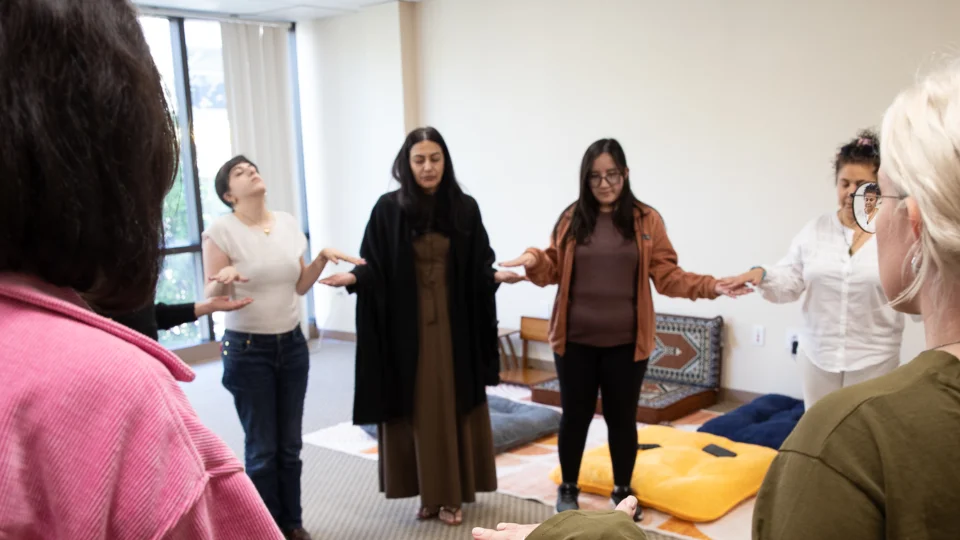
Diversity in Health works in four connected areas: Community Health, Workforce & Wellbeing, Community-Rooted Research & Evaluation, and Advocacy & Systems Change. Each one strengthens the next.
Our program areas
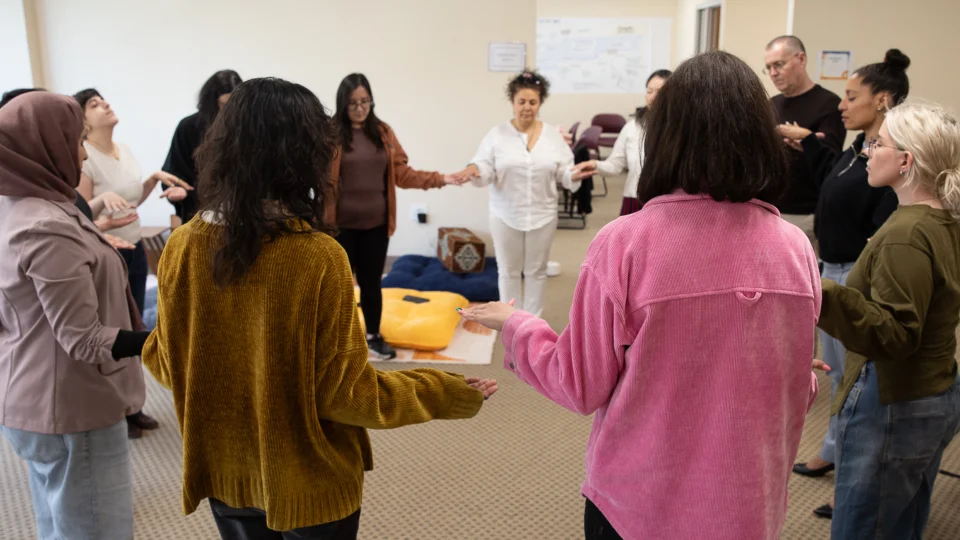
Our work is a circle.
A community member may heal, train, co-research, and lead, transforming systems for the next person to heal.
- Step 1 of 4:
Culturally responsive behavioral health, public health, and prevention — delivered in community, in language, by people from the communities we serve.
- Step 2 of 4:
Community members enter care careers with dignity through healthcare training, coaching, job placement, and wellness support, and in-language workshops and materials help families navigate care systems without leaving their language and culture behind.
- Step 3 of 4:
Community-Rooted Research & Evaluation
Everyone arrives with knowledge. Through youth participatory action research, community-based participatory research, and academic partnerships, community members build on what they already understand about their daily lives and turn it into evidence they can act on.
- Step 4 of 4:
Diversity in Health's vision is realized when community members lead. Through policy advocacy, coalition building, and supported leadership, they carry their own evidence and priorities into the rooms where decisions are made, transforming the systems and policies that shape their health and wellbeing.
Healing, thriving, leadership, and change
It’s a circle.
Healing, thriving, leadership, and strong systems support each other—and together, they create the conditions for all communities to flourish.
- Step 1 of 4:
Healing feeds thriving
When people have access to culturally responsive care and support, and meaningful and dignified work, they can heal and build stronger lives.
- Step 2 of 4:
Thriving makes room for leadership
When people thrive, they gain confidence, skills, and capacity to lead and engage others.
- Step 3 of 4:
Leadership transforms the systems
When community members lead, they bring their lived experience and priorities to decision-making spaces.
- Step 4 of 4:
Strong systems create conditions for healing
When systems are equitable and just, communities have what they need to heal, thrive, and keep leading change.
In this section
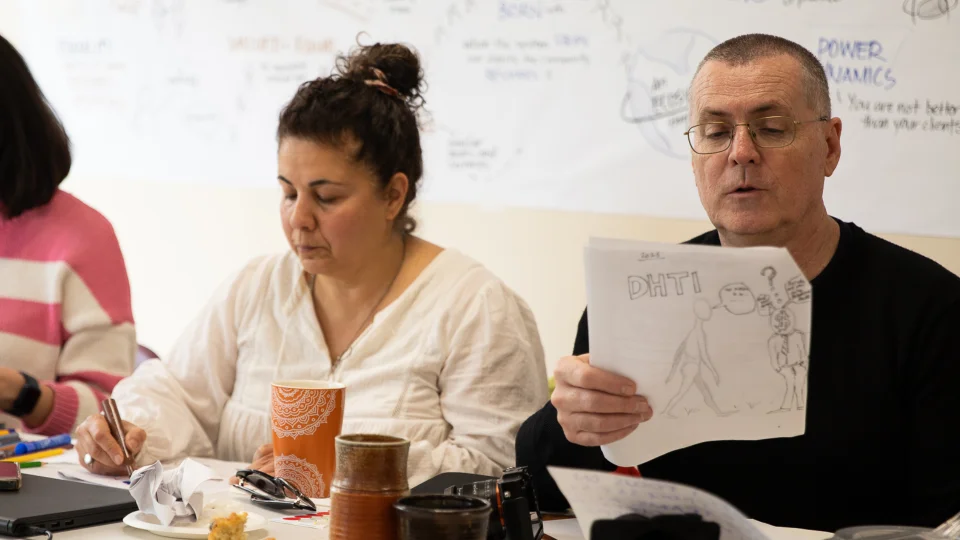 Workforce & WellbeingHealthcare careers, language access, and wellness support for newcomers.
 Community HealthCulturally responsive care, delivered in community and in language.
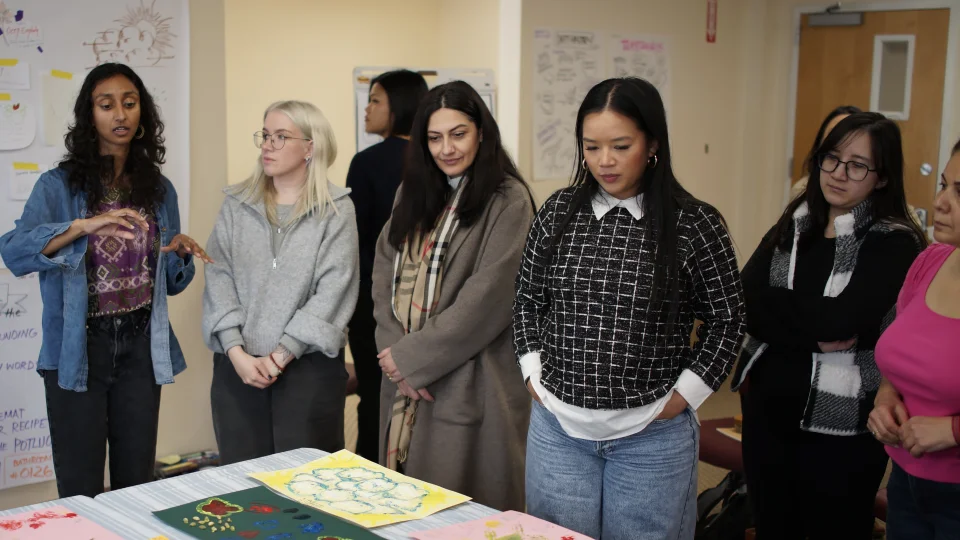
 Community-Rooted Research and EvaluationTurning community knowledge into evidence people can act on.
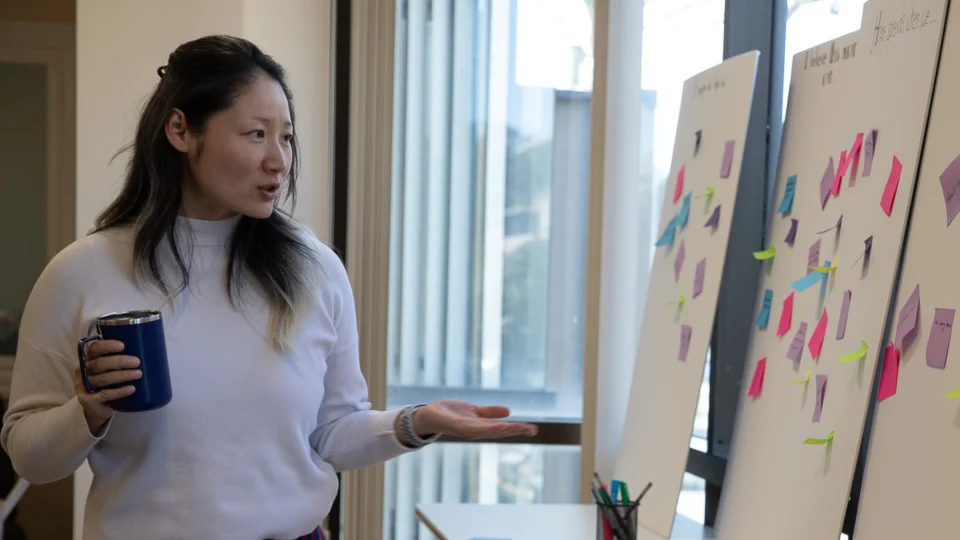
 Advocacy & Systems ChangeCommunity members leading change in the systems that shape their health.